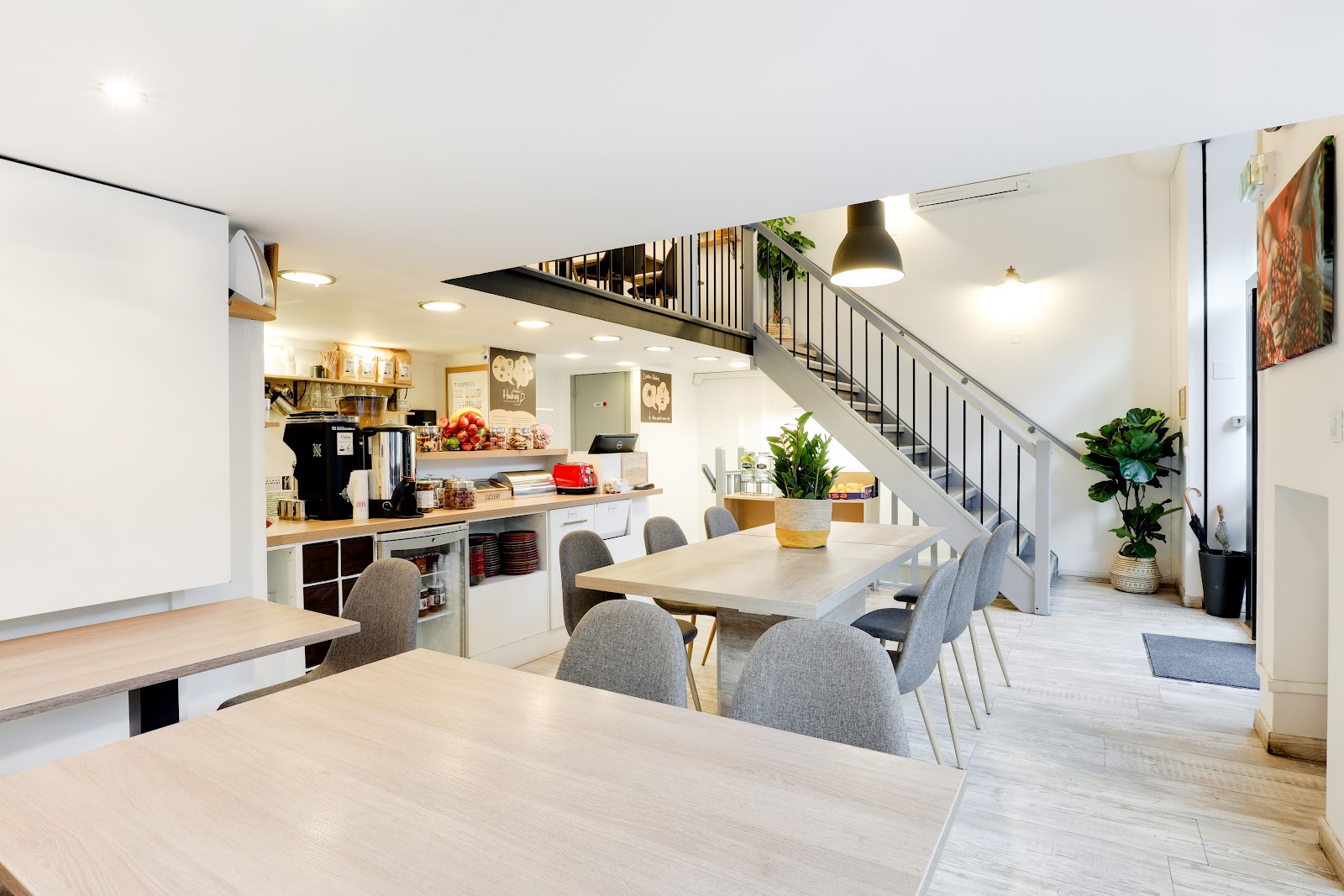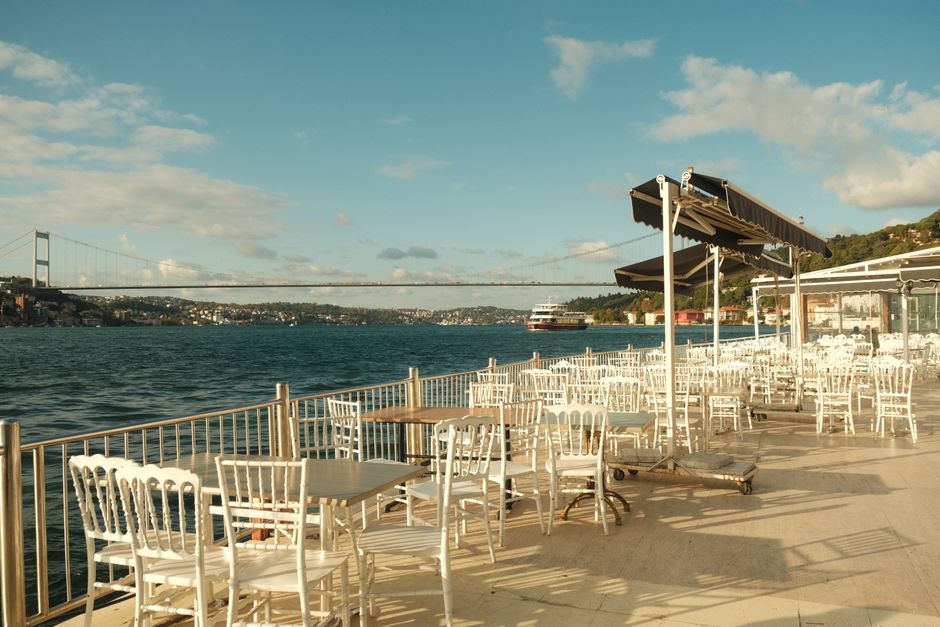
September is the perfect window for working with your feet in the sand: terraces empty out, wifi hotspots stop being saturated by 300 holidaymakers, and the water is still good at 6pm. The real risk is no longer the crowds, it's the hours: many seafront spots shorten their days or close altogether from mid-September. Here is how to spot, test and secure a base that will hold up your video calls.
Why is September the best month for remote work by the sea?
In September, attendance drops while terraces stay open and the light stays soft until the end of the day. Concretely, you get space, calm, and above all bandwidth that you no longer share with the whole beach. Off-season accommodation becomes affordable again, and it becomes realistic to sustain a full work week facing the ocean without spending a holiday budget.
The other advantage is the rhythm. In August, you fight for an outlet at 9:30am. In September, you settle in, put your laptop down, power through your morning, and go out surfing or walking at 5:30pm when the light is best. That's the real joy of the season: the workday doesn't shrink, it just shifts.
Does the wifi at seaside spots really hold off-season?
Yes, and it's often better than in the middle of August, simply because the hotspot shares the connection between five people instead of fifty. The problem isn't speed, it's the nature of the setup: many seafront cafés run on a single consumer router, shared with the till, the payment terminal and sometimes the ordering kiosk. A spike in payments, and your upload plunges in the middle of a video call.
The second September pitfall: hours. After the 15th, some beach venues switch to reduced service, close on Monday and Tuesday, or announce their annual closure for October. A spot scouted in July can have its shutters down when you arrive. Call the day before, systematically, rather than relying on an online listing not updated since summer.
How do you test a café's wifi in three minutes?
Order, connect, then run a speed test (Speedtest or fast.com) before even opening your inbox. What matters for a video call isn't the big download figure, it's upload and latency: aim for at least 3 Mbit/s upload and a stable ping. Then open an empty video call for sixty seconds and see whether the picture holds.
- Test at the worst moment: between 12:30pm and 1:30pm, when the room fills up and payments pile up.
- Locate the router: often behind the counter. The further you move away, the more the stone walls of the seafront cut the signal.
- Avoid the table in full sun on the terrace: unreadable screen, laptop overheating, and a weaker signal than indoors.
- Keep a plan B: 4G/5G tethering turned on. On the coast, mobile coverage is generally solid in town centres, more unpredictable in coves and behind the dunes.
- Turn on your VPN: an open wifi at a beach bar is not a corporate network.
Where to set up your laptop on the Basque coast in September?
On the Basque coast, the rule is simple: step back one street from the beach. The seafront in Biarritz, the Chambre d'Amour in Anglet or the bay of Saint-Jean-de-Luz offer the view, but the venues most exposed to wind and sun are rarely the best equipped with outlets. The neighbourhoods set back concentrate the real work spots.
In Biarritz, the Halles area stays lively all year round: roaster cafés, indoor rooms, local clientele, and therefore wifi designed for people who stay. In Bayonne, Petit Bayonne and the Nive quays take over when the September rain shows up, with vaulted rooms where the signal is poor near the walls but very good on the window side. In Anglet, bet on coworking spaces and cafés around Cinq Cantons rather than beach shacks, most of which close up at the end of the month.
And on the Channel or the northern Atlantic coast?
In Saint-Malo, the walled city is the tourist reflex, but the thick walls of the granite houses are wifi's number one enemy: sit near the window or the counter. Saint-Servan and Rothéneuf are calmer in September, with a clientele of regulars and rooms where nobody pushes you out after an hour.
Around Hossegor, off-season life moves from the seafront to the lake and the village. That's where you'll find places open on weekdays and a connection that doesn't depend on surfer attendance. And if the weather really turns, Rennes, Nantes and Bordeaux are less than two hours by train from most of these spots: a fallback to an urban coworking space can save a day of important video calls.
How much does a day of remote work by the sea cost?
In a café, the entry fee is your drink: count about one drink per two-hour block, that's the basic etiquette for occupying a table without bothering anyone. A lunch on site earns you the moral right to stay in the afternoon. In a coworking space, a day pass remains the safest solution for a day packed with meetings, with guaranteed outlets, a call room and a professional connection.
The real expense in September is accommodation, and that's precisely what collapses after the end of the school holidays. This gap is what makes the month interesting: you pay for off-season accommodation while working in better conditions than in August.
Common mistakes when working facing the ocean
- Taking the table with the best view: with the waves in full frame, you don't work, you watch.
- Taking a video call on the terrace: the west wind saturates mics, even with a good headset. Go inside.
- Relying on summer hours: from mid-September, call the day before.
- Forgetting salt and sand: sea spray gets into keyboards and USB ports. A sleeve is not a luxury.
- Planning a day of 100% video calls: keep the morning for calls, the afternoon for offline deep work.
Who isn't remote work by the sea for?
If your job requires six hours of calls a day, heavy files to send continuously or access to a tightly locked-down company network, the beach café isn't your turf. In that case, book a coworking space by the week in a coastal town rather than improvising from spot to spot. Same logic if you work with confidential documents: an open screen on a terrace is easily read from the next table.
And you, do you have a seaside spot where the wifi really holds in September? Send it to us, we'll check it before adding it.
Frequently asked questions
What speed do you need to hold a video call from a seaside café?
Aim for at least 3 Mbit/s upload and stable latency. The advertised download is reassuring, but upload is what drops first when the room fills up. Test before your meeting, not during it, and keep your mobile tethering on as a backup.
Are beach cafés still open in September?
Some are, some aren't. Until mid-September, most seafront venues are still running, often with reduced hours. After that, many close one or two days a week, or even for the season. Call the day before rather than relying on an online listing dated from summer.
Is it risky to work on public wifi by the sea?
An open network at a bar or beach offers no protection. Turn on a VPN, disable file sharing, reject dubious certificates and avoid banking logins. If in doubt about the network, switch to your mobile tethering: it's safer than a hotspot whose owner you don't know.
Is it better to use a café or a coworking space for a week by the sea?
The café suits days of writing, emails and solo work. The coworking space becomes essential as soon as you have several video calls, need outlets and want a real armchair. The formula that works best over a week: coworking on busy days, café on quiet days.
How do you save battery when there's no outlet?
Lower the brightness, turn off Bluetooth, close video tabs and work in power-saving mode. An external battery compatible with USB-C Power Delivery easily covers an extra half day on a recent laptop. And spot the table near the outlet as soon as you arrive, not when you're at 12%.