Have you ever looked at your July calendar and thought you could work in the morning and enjoy the afternoon? The workation, that mix of work and holiday, looks great on Instagram. Reality is more nuanced. Here's an honest look at when it genuinely works, when it turns into a nightmare, and how to avoid getting either one wrong.
When a workation is genuinely a smart move
There are situations where working from a holiday destination is frankly brilliant. If you have a quiet week, rare meetings, and tasks you can do at your own pace, the scenery changes without your productivity suffering. A freelancer with a flexible schedule, an employee between two projects, a self-employed worker who manages their own diary: these profiles are made for the workation.
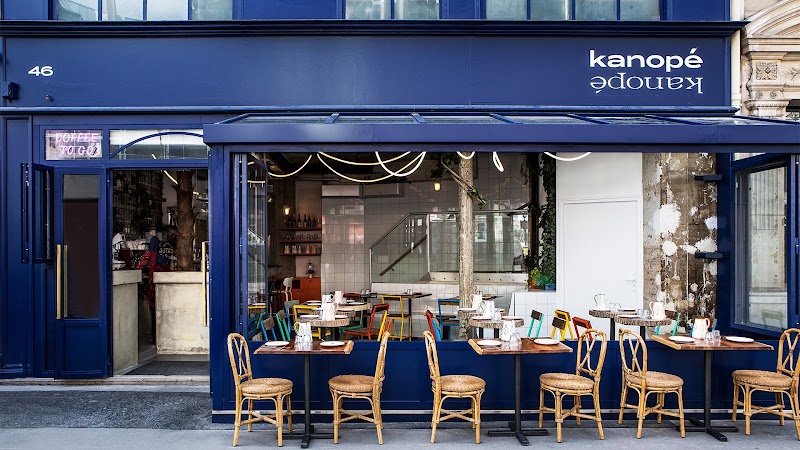
The real luxury is choosing your environment. Working from a terrace in Biarritz or a café in Annecy changes your mood. And if you're travelling alone or with someone who also works, the rhythm adjusts naturally. The secret: having a reliable connection, a laptop that can handle the load, and hours that you set yourself before you leave.
When it all goes wrong
Let's be honest. If you're heading off with a looming deadline, a team waiting on you for a launch, or back-to-back meetings, the workation will just stress you out in a pretty setting. You won't be focused at work or truly on holiday.
Another classic trap: going away with your family or partner who is in full holiday mode. While they're sightseeing or the kids are demanding the beach, you're glued to your screen. The guilt kicks in fast. You work half-heartedly, you enjoy things half-heartedly. Result: you come home exhausted and frustrated on both fronts. Add patchy hotel Wi-Fi and a terrace too noisy to concentrate, and you have the recipe for a ruined trip.
The trap of constant guilt
This is the real problem with a poorly framed workation: you're never truly where you should be. At work, you're thinking about the beach. On holiday, you're thinking about work. That feeling of floating between two worlds is mentally exhausting, even if you haven't physically worked much.
To avoid it, you need to make a clear choice. Either you take a real holiday (and shut the laptop), or you accept that it's a working week from a nice place, with a few free hours. The middle ground without clear rules is a guaranteed way to feel guilty either way. It's not a question of willpower, it's a question of structure.
How to make it actually work
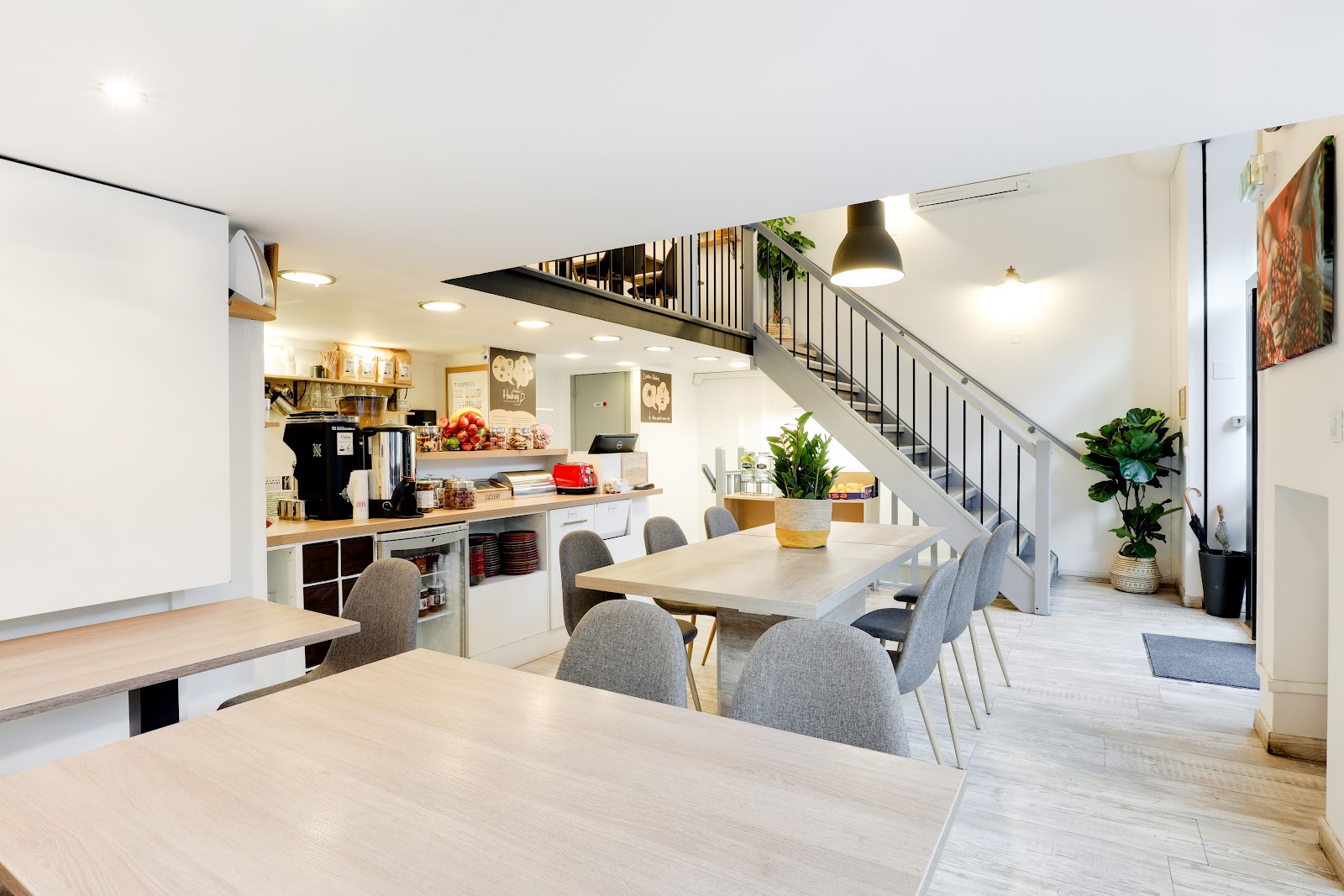
If you go for it, set the rules before you leave. Fixed hours: for example, you work from 8am to 1pm, and the afternoon is genuinely free. Tell your team now, not on the first day there. As soon as you arrive, find the right place to work: a café with a good connection, a local coworking space, a library. Don't count on the hotel room or the poolside area.
Another practical tip: pack a light, portable laptop, a battery pack, and an adapter if you're going far. And no, you don't need your full setup. The minimum that lets you work efficiently during your hours is all you need.
The best French cities for a workation
Some cities lend themselves really well to this lifestyle. Bordeaux, with its network of cafés and coworking spaces in a pleasant setting. Annecy, with its city-centre workspaces and the mountains within reach in the afternoon. Biarritz, which has seen surf-friendly coworking spaces spring up in recent years. Lyon, a reliable choice with quality spots in every neighbourhood. And Montpellier, which combines sunshine, good connectivity and a genuine culture of flexible working. Deskover lists the best spots in these cities so you waste zero time finding the right place.
Conclusion
A workation can be a genuinely smart move, as long as you're honest with yourself about your workload, the people around you, and your needs. Set clear rules, choose your spot carefully, and communicate in advance. Otherwise, give yourself a real holiday. Your laptop can stay at home.