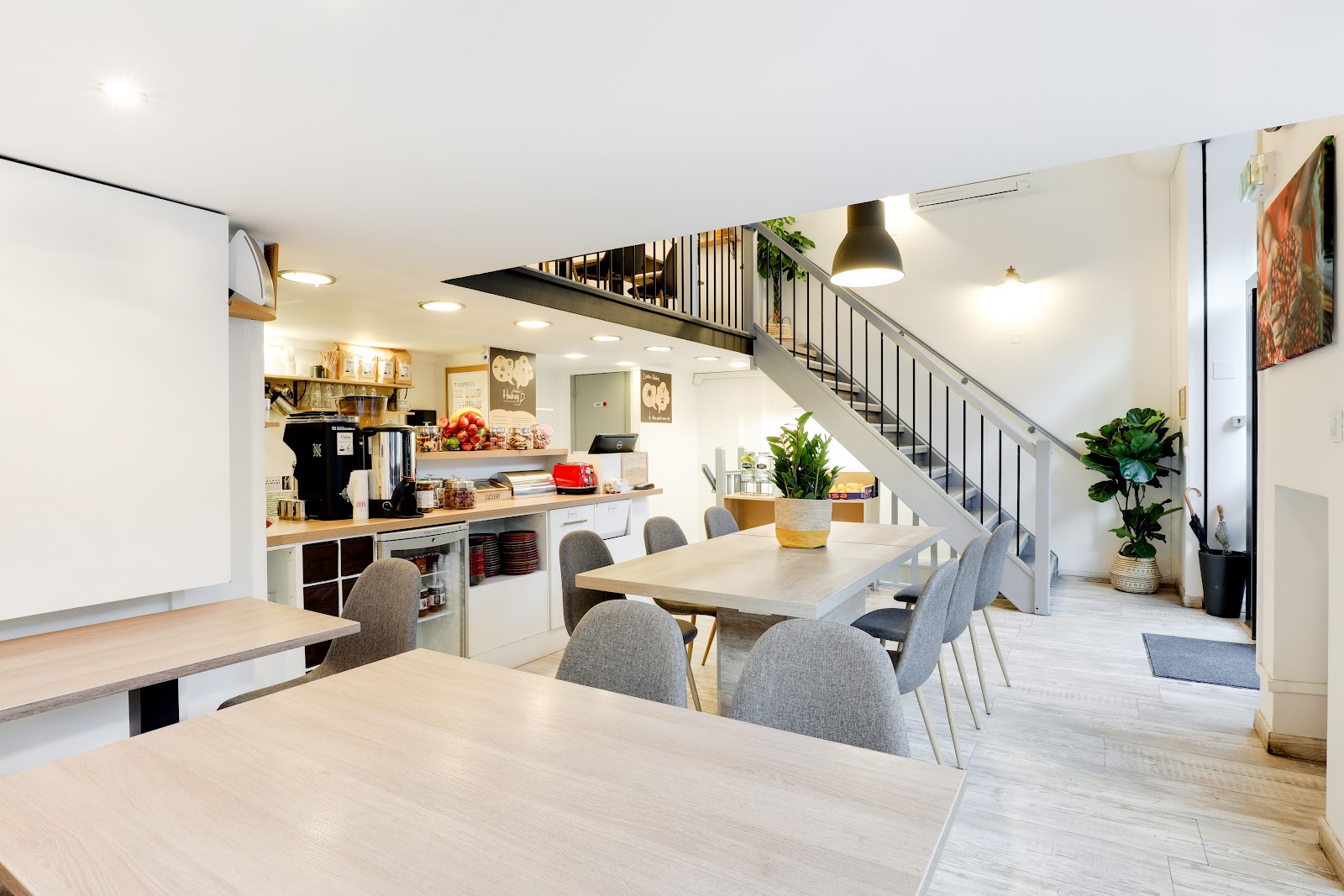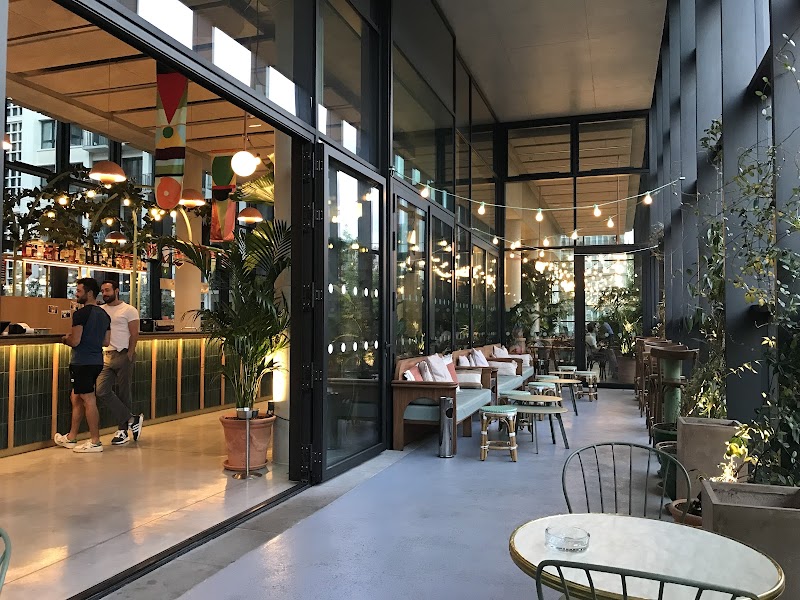
You can work from wherever you want, but mostly you end up working everywhere and nowhere. The sofa on Monday, a café on Tuesday, your desk at 11pm because the day slipped away. That blur is the classic freelance trap. The good news: a little structure is all it takes to turn that freedom into a real advantage. Not a rigid schedule, just a rhythm. Here's how to build yours.
Monday: deep work mode, phone on silent
On Monday, your brain is fresh. It's the day for work that demands real focus: writing, coding, strategy, complex quotes. This kind of work doesn't cope well with interruptions and background noise.
Work from home if you have a dedicated space and no one to disturb you. Try a coworking space if you need a strong signal to switch into "let's go" mode. Many freelancers say that simply getting dressed and commuting is enough to trigger focus.
Avoid cafés on Monday mornings for deep work. The ambient noise, the coming and going, neighbours on phone calls: it's stimulating for light tasks, not for writing a report or working through a technical architecture.
If you're looking for a coworking space, check what Deskover has to offer in your city. Some spaces have day passes with no subscription, perfect for trying things out with no commitment.
Tuesday and Wednesday: the café as your playground
Mid-week is often for tasks that move forward without requiring absolute focus: emails, staying up to date, small edits, invoicing, social media. Things you can do while being somewhat in the atmosphere without being fully immersed.
The café becomes a real ally. A good working café gives you movement, a decent espresso and an ambient energy that keeps procrastination at bay. You're not isolated, but you're not in back-to-back meetings either.
It's also a good time to work in a different neighbourhood, explore a new city, or simply change your view. If you're in Lyon, Bordeaux, Nantes or Paris, Deskover lists hand-picked addresses for working, with Wi-Fi and power outlet details when we have them available.
One simple rule: order something every two hours. It's the minimum courtesy towards the place letting you take up a table.
Thursday: coworking for contact moments
Thursday is often the day for client calls, team check-ins, video meetings. For that, neither a café (too noisy) nor your living room (too informal). A coworking space is the answer.
Most spaces offer meeting rooms bookable by the hour. You pay for what you use. Some include a few hours in their day rate, others charge extra. Worth checking before you book.
It's also the ideal day for informal encounters. Coworking spaces often have an active community: people having lunch together, conversations that start between two doors. Networking can't be scheduled, but it can be facilitated.
Indicative budget: a day in a coworking space runs between €15 and €35 depending on the city and the space. That's the price of a productive day with a real desk, meeting room and coffee included.
Friday: choose according to your energy
Friday is unpredictable. Some weeks you're in the final sprint, others you're already unwinding. Don't force yourself into a location out of principle.
If you have a deadline: home or coworking, whichever works for you on Mondays. If you want to wrap things up cleanly and move on: café, two hours, sort out the last details and switch off.
What many freelancers discover after a few weeks: Friday afternoon is often low-productivity anyway. Better to accept that, slot in light tasks (admin, filing, planning the week ahead) and not feel guilty about leaving early.
Freedom as a freelancer means this too: adapting your schedule to reality, not the other way around.
The trap of always working from home
It's not said often enough: working from home all the time wears you down. Not immediately, but over time. The boundary between work and personal life blurs, motivation drops, days start to look the same.
The problem isn't home itself. It's the lack of variation. Your brain needs different signals to function. Changing location, even once a week, is often enough to restart the momentum.
On the budget side, fear of spending sometimes stops people from making the leap. But two cafés and a coworking day per week comes to €40–60. Less than a full-time coworking subscription, which often exceeds €250 per month. The mix is not only more enjoyable, it's also cheaper.
Finding your rhythm: allow 2–3 weeks
There's no universal schedule. This Monday/mid-week/Thursday/Friday framework is a starting point, not an absolute truth. Your rhythm depends on your activity, your clients, your city, your nature.
What works: note at the end of each day where you were and whether it was a good day. No fancy tool needed: a note on your phone is enough. After two or three weeks, you'll see patterns. A certain place works for a certain type of work, a certain hour is consistently flat.
You adjust. You test again. And after a month, you've got something that looks like a rhythm that fits you.
Example week:
- Monday: home or coworking, deep work
- Tuesday: café, light tasks and emails
- Wednesday: café or home depending on projects
- Thursday: coworking, calls and meetings
- Friday morning: café or home, wrapping up the week
Read also
- Café or coworking?
- Coworking without a subscription
- What budget for a coworking space?
- Why you work better in a café
The freedom to choose where you work is useless if you don't actually make choices. Start with a test week using this schedule, adapt it to your reality, and let a month pass before drawing conclusions. Explore the addresses on Deskover to find the right spots in your city, and build your rhythm from there.